

Academic Cell Clinical Services
The Academic Cell is an integral component of the hospital’s academic framework, committed to promoting excellence in medical education, training, research, and continuous professional development. The Cell serves as a coordinating platform to facilitate and strengthen academic activities across various departments and disciplines of the institution. This is a dedicated administrative unit responsible for the planning, coordination, supervision, and effective management of academic activities related to Fellowship, Postgraduate and Super-Specialty medical education, as well as various technology-oriented courses, Observership and Internship offered by the institution. It works in close collaboration with faculty members and other administrative staff to ensure the smooth and efficient implementation of all academic activities. ... Read more
The Cell oversees the student enrolment and admission-related processes, maintains and updates academic records, and monitors students’ academic progress throughout their course of study. It also facilitates course registration, examination-related matters, and other academic requirements, ensuring compliance with institutional policies and applicable regulatory guidelines.
The Academic Cell Clinical Services is responsible for initiating and coordinating accreditation processes for various academic programmes. It assists departments in fulfilling accreditation requirements, maintaining appropriate documentation, and ensuring adherence to prescribed academic and regulatory standards.
In addition, the Cell provides academic guidance, communication & counselling support to students, addressing academic concerns and facilitating their overall educational progress.
Through these functions, the Academic Cell Clinical Services plays a vital role in ensuring the systematic, transparent, and efficient administration of academic programmes and in maintaining high standards of postgraduate, super-specialty, and technology-based education within the institution.
Training and Courses
The planned training on specific scientific skill in the laboratory/clinical set up plays a vital role in nurturing the bright minds to bring an awareness about cutting-edge research carried out at the centre and facilitate an opportunity for pursing research as a career. During the training, students get to work on small scientific queries under the close supervision of senior scientists and clinicians of the Centre. ACTREC offers varied training programs for both basic Scientists & Clinicians.
Advanced Training Course in Medical Laboratory Technology [MLT]
(One-year Training + One-year Internship)This training program of MLT focus on Clinical Biochemistry including tumor markers and therapeutic drug monitoring studies, Microbiology including bacteriology, virology and mycology, Hematology, Surgical Pathology including IHC, Transfusion Medicine and Quality Management with emphasis on accreditation related activity. The course cover theoretical, technical and practical aspects, and include hands on training on state of the art analyzers with emphasis on quality control. Selected candidates are rotated through all the laboratories for proper training as per the schedule. In-house exams are held periodically to evaluate the students and certificates are awarded to successful candidates on completion of the training.
Fellowship in Hematopoietic Stemcell Transplant Nursing
(One-year Fellowship)Hematopoietic stem cell transplant is one of the most important cancer treatment modality for hematological malignancies. The super specialized Fellowship in Hematopoietic stem cell transplant nursing help trained nurses to take keen interest to perform the procedures with confidence and responsibility in patient care including family. Fellowship in this course aid other regional and upcoming general and cancer hospitals to upgrade their manpower in due course to take up the challenges of caring of patients undergoing chemotherapy and Hematopoietic stem cell transplant.
Fellowship in Oncotherapeutics
(One-year Fellowship)The program is designed to create individuals with skills in clinical pharmacology and oncology research from an academic and industrial perspective. The training encompass cancer biology, clinical oncology and pharmaceutics. The Fellows will work closely with members of the clinical pharmacology group and oncology community at Tata Memorial Centre. This range of activity spans the entire gamut of research and service ongoing presently in the department of clinical Pharmacology. Fellows will attend seminars in pharmacology and oncology, study biostatistics and trial design, review and write research proposals, develop data collection strategies and perform advanced data analyses including population pharmacokinetics, clinical trial simulation and disease modeling. The integrated course include theory and practice and applie principles and concepts of quantitative pharmacology. The interaction with basic and clinical scientists within the TMC campus creates an environment that nurtures advanced understanding of basic and applied research in oncology.
Post Graduate Diploma in Biostatistics
(One-year Training)The program is designed to educate Post-graduate students as Biostatisticians with the ability to collaborate and consult researchers in the field of biomedical and public health sciences. This training meet the nation-wide demand for well-trained masters-level Biostatisticians in pharmaceutical industry, medical research institutions, public health and other government organizations. The student work closely with the senior Biostatisticians, clinicians and scientists in oncology at Tata Memorial Centre. This course will integrate statistical theory and its applications in oncology research. It will also provide the best opportunity to expand collaborative research attitude among the students. The course is planned to identify and educate promising doctoral students in Biostatistics.
Advanced Cancer Cytogenetic Training Course
(Six months Training + Six months Internship)This training program focus on conventional and molecular cancer cytogenetics. Cancer Cytogenetic Department is equipped with the state of the art instrumentation and expertise. The proposed course cover theoretical, technical and practical knowledge. Selected candidates are assigned to any one specific area as per the requirement and In house examinations are held periodically and certificates are be awarded to successful candidates on completion of the course in the specialty area.
Advanced Training Course for Technologists in Flow Cytometry
(Six months Training + Six months Internship)This training program will be focused on flow cytometry studies. This is a comprehensive training program that includes complete processing to primary analysis of clinical samples, flow cytometry instruments handling (from setup to quality control), experiment designing, and data analysis. The proposed course will cover theoretical, technical, and practical aspects.
Advanced Molecular Haematology Training Course for Technologists
(Six months Training + Six months Internship)The proposed course will cover theoretical, technical, and practical aspects of molecular biology including techniques relevant to molecular diagnostics and research such as nucleic acid, extraction, PCR, real-time PCR, mutation detection, Sanger sequencing, and next-generation sequencing.
Advanced Training Course in Histopathology & Basic Cytometry
(Six months Training + Six months Internship)This training program will be focused on histopathology and cytopathology, including frozen section cutting, special stains, and immunohistochemistry. Additional emphasis on quality management with emphasis on accreditation-related activity. The course will cover predominantly technical and practical aspects with related theoretical aspects and the most important aspect would be hands-on training on state-of-the-art equipment with emphasis on quality control. Selected candidates will be rotated through all the sections of the laboratory as per schedule. Certificates will be awarded to successful candidates on completion of the course.
Tata Memorial Center Travelling School of Oncopathology (TTSOP)
India has more than 780 medical colleges and approximately 500 provide post graduate course in pathology (~2863 students per year). There are a few major concerns which need urgent help. A group of experienced pathologists/technologists can efficiently help in troubleshooting and standardizing the bare minimum initial tests to make a diagnosis in many pathology labs across India. At an operational level, the three most important stains in any Pathology department are H&E, Romanowsky and Papanicolaou stain. Similarly, team can help standardise basic immunohistochemistry, FISH and flow cytometric immunophenotyping etc, should such a facility exist in a medical college. Conducting slide seminars, CPCs, grand rounds/tumor boards is essential especially for the management in oncology and helps in improving the overall efficiency of pathologists. It is lacking in most colleges and is in this project. ... Read more
Hypothesis of this project
A team of experienced pathologists, oncologists and technologists will visit selected government medical colleges for a period of 3-4 days. These visits, supplemented by regular follow-ups (online or offline) can help establish and validate basic/ancillary stains in these participating medical colleges.Aim
Improve the overall standards of practice and post-graduate education in pathology across different medical colleges in India. A group of experts will visit 15 government medical colleges in the country over a period of 15 months with a revisit to each of these colleges after a gap of 15 months. The overarching goal of this proposal is to improve the overall quality of oncopathology practice and education in India. Introduce a measure of continuous evaluation and quality checks to ensure the changes are sustainable across different medical colleges in India. We propose to conduct feasibility testing and evaluation of these tests by conducting EQAS and regular meetings.Outlines of design/methods
Study design: The proposal is for a three-year, multicentric, prospective project that aims to include 15 medical colleges from all across India. A team of pathologists and technologists from TMC, Mumbai, Tata Trust and a few others will visit these medical colleges over 15 months (followed by a revisit).Structure of the visit by the TTSOP team
The TTSOP team will spend 3-4 days in each participating medical college and may include following round of the department, tumor board, slide seminars and a one day CME (theme based). Technologists will work on these three days with the technicians from the college. Technologists will help in troubleshooting and standardizing important routinely used tests viz. H&E, Romanowsky and Papanicolaou stains which help in cancer diagnostics. Pathologists will conduct slide seminars, CPCs, grand round/tumor boards, and one day CMEs (theme based), which are essential in the management of cancer patients. Each of these colleges will be considered as a hub to which pathologists and technologists from nearby medical colleges (as many as possible) will be invited to join in this three day program. Pathologists from these colleges will also be encouraged to bring their difficult cases (glass slides) for presentation at the workshop. To ensure sustainability in improvement of pathology practice/post-graduate education, we will have follow-up online meets, yearly CME/conference at Mumbai, participation in Technical Quality Assurance Program (TQAP) conducted by us. We will also be involving faculties from already visited medical colleges in subsequent visits to other centers. A revisit to the college will be done after a year and a half to evaluate if any improvement in fixation of tissues and also routine staining procedures. Also if colleges could initiate tumor boards and slide seminars.Novelty and deliverables of the project
This project leverages the expertise of experienced pathologists and technologists from TMC, Mumbai and others and aims to help medical colleges across India standardize commonly done routine stains and improve overall quality of oncopathology practice/education. If successful, this proposed model of traveling school of experts can be adapted to other specialties of oncology/medicine for widespread impact.Work that has led up to this project
We have been conducting a virtual, collaborative, curriculum-based, free-to-register, supplementary e-learning platform for pathology residents and practitioners which has been running for the last 5 years. A group of pathologists from India and a few from outside teach on line in this web-based program called the “Online-Teaching-Program-for-Post-Graduates-in-Pathology” (OTPPGP), sponsored by Tata Trust and co organised by TMC team. OTPPGP4 is going on currently. We have more than 15000 members on telegram app and another 500 plus WhatsApp groups with various medical colleges. We have been able to connect to a wider base of pathologists all across India, Asia and Africa, thanks to OTPPGP.The overarching goal of this proposal is to improve the quality of oncopathology practice and education in India by learning together. There will be follow up meetings and continuous evaluation and quality checks to ensure that the changes are sustainable across these colleges.
A summary of the project requirements of the participating colleges
(a hub) is provided below-- Each hub should have a microscope attached to a screen where 100-150 pathologists can view and discuss the slides projected through the microscope.
- The hub should try and hold at least 2-3 regional meetings or catalyse such meetings in the region where pathology slides and technical problems will be shared using a similar format using locally available expertise.
- The Lab shall join an TQAP program provided by TTSOP Mumbai, for technical evaluation of common stains.
- Wherever possible, a representative from the participating institution or region should attend other activities of the central team of TTTSOP.
- The Department would be required to hold a follow up visit by the TTSOP team 15 months after the first visit.
The dates of the workshop will be fixed with the consent of the college. TMC will be funding the project.
Proposed hubs in this project (participating centres)
- SKIMS Srinagar
- MLNMC Prayagraj
- GMC Musheerabad
- GMC Nagpur
- NSCB MC Jabalpur
- SCB Cuttack
- AMC Dibrugarh
- BJMC Ahmedabad
- SPMC Bikaner
- JSS Mysore
- MMC Chennai
- SNMC Agra
- CMC Ludhiana
- IGIMS Patna
- IPGMER Kolkata
Note:
TMC will be happy to work with any of the colleges across India and outside.
If your college wishes to join us in this program, you may e-mail us at
following address.
Dr. Sumeet Gujral
Prof Pathology & Honorary Consultant,
ACTREC, TMC, Mumbai.
Phone: +919820523962,
Email: flowtmh[at]gmail[dot]com
Dr. Bhakti Trivedi | |
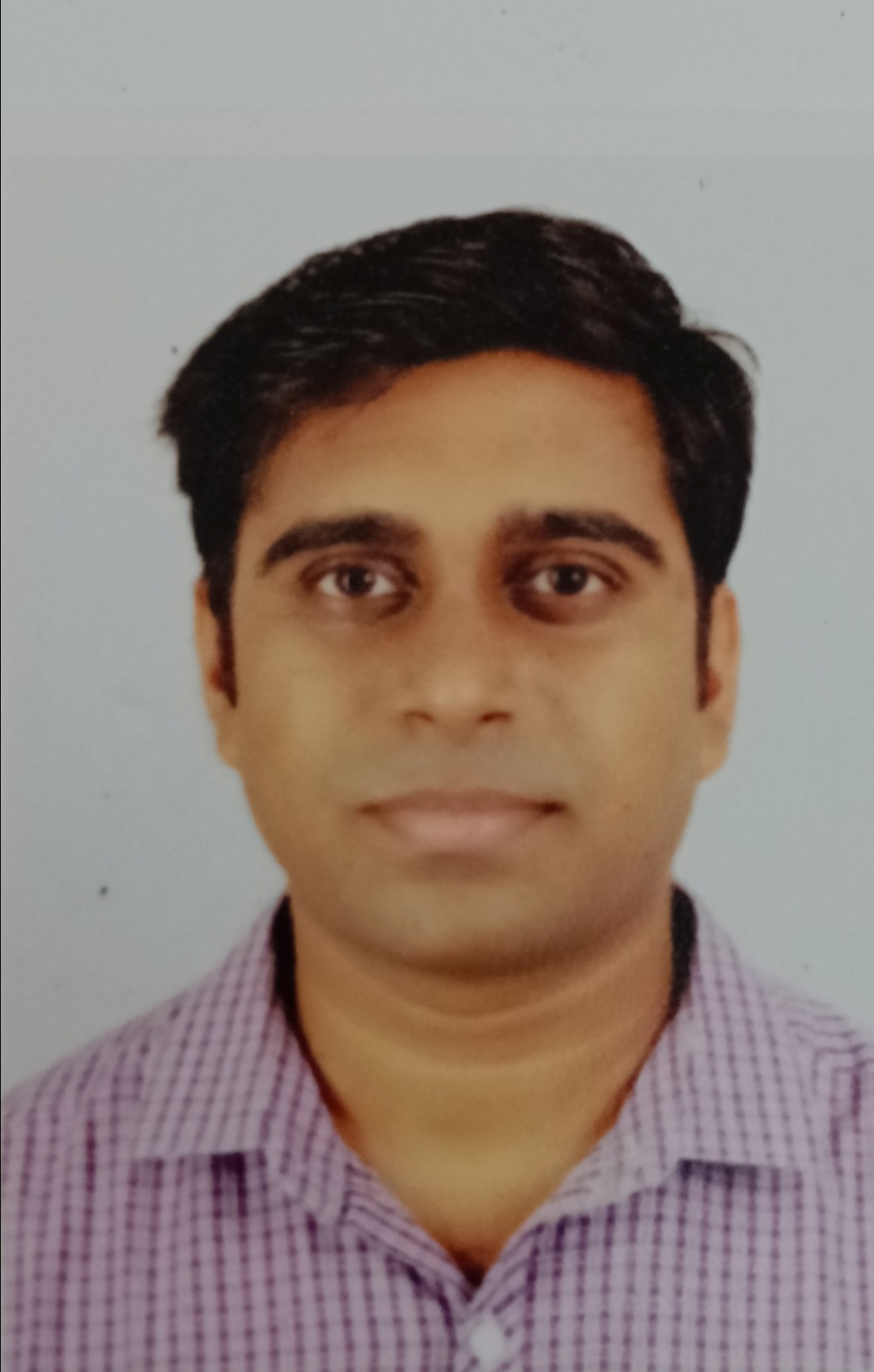 | Mr. Dhanesh Kohale |
 | Mr. Shailesh Mohite |
Academic Cell Clinical Services
Address: Room No. 68, First Floor, Proton Therapy Centre, ACTREC, Navi MumbaiContact no: 02268735000 Extn: 6068
Email ID: deanhealthsciences[at]actrec[dot]gov[dot]in
clinicalacademics[at]actrec[dot]gov[dot]in For Fellowship and post graduate/super-specialty medical education
observertrainee[at]actrec[dot]gov[dot]in – For Observership, Internship & Technological Courses